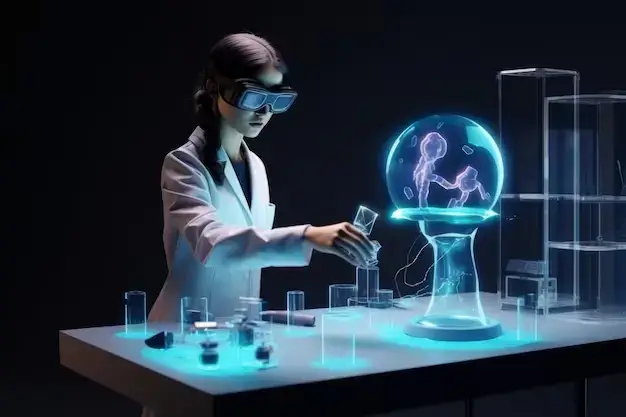
The Rise of IVF Trends Driven by AI Applications in IVF
In today’s digital health landscape, AI applications in IVF are rapidly evolving with the integration of artificial intelligence into clinical practice. Early on, clinics relied on manual record-keeping and subjective assessments. Now, AI applications in IVF are transforming how patient data is managed, offering advanced analytics and smarter workflows.
- Streamlined Data Management: AI-powered systems automatically update patient records and reduce the need for manual data entry, which minimizes errors and saves time.
- Enhanced Embryo Selection: Through image analysis and predictive algorithms, AI tools assess multiple parameters of embryo quality that may not be visible to the human eye, leading to more precise selection.
- Personalized Treatment Protocols: By analyzing extensive patient data (e.g., genetic profiles, hormone levels), AI assists clinicians in crafting treatment plans that are tailored to individual needs, improving the overall chances of success.
- Real-Time Monitoring and Adjustments: Advanced systems continuously monitor key health metrics, enabling clinicians to make timely adjustments during an IVF cycle.
Bridging EMR Innovation and AI applications in IVF
Modern AI applications in IVF clinics are transitioning to AI-enhanced EMR systems. Unify data from multiple sources, delivering a complete picture of each patient’s journey.
How AI applications in IVF Enhances EMR Systems:
- **Automated Data Management:**AI-driven platforms capture and organize patient information in real time. Ensuring that every data point—from lab results to appointment notes—is accurately recorded. This minimizes human errors and allows clinicians to focus on treatment decisions.
- **Predictive Analytics:**By processing historical data alongside real-time inputs, AI applications in IVF can forecast treatment outcomes and highlight potential complications. This enables early intervention and more confident decision-making.
- **Seamless Interoperability:**AI-enabled EMRs are designed to integrate data from various sources creating a holistic view of patient health. This connectivity supports coordinated care across different specialties.
Key Technologies Driving Change:
- **Future AI applications in IVF Software:**These platforms leverage machine learning models to analyze a multitude of variables, from patient genetics to environmental factors. The insights generated help clinicians choose optimal stimulation protocols and refine treatment strategies.
- **EMR Innovation:**Innovations in EMR systems involve new data storage architectures, improved security measures, and user-friendly interfaces that enhance workflow efficiency and data retrieval.
- **IVF Technology Trends:**Trends include the integration of time-lapse imaging, non-invasive genetic screening, and mobile connectivity, all of which contribute to a more dynamic and responsive IVF process.
- **Next-Gen EMR Solutions:**These systems employ advanced AI algorithms to provide real-time decision support, streamline administrative tasks, and ensure that critical patient data is readily accessible during clinical consultations.
Future AI applications in IVF Software: Pioneering Personalized Fertility Care
Future IVF Software is transforming reproductive care by offering bespoke treatment strategies based on a patient’s unique profile.
- **Personalized Treatment Plans:**By analyzing detailed patient information—such as age, genetic factors, and previous treatment outcomes—AI applications in IVF can suggest the most effective protocols, adjusting medication dosages and timing to suit each individual.
- **Improved Success Rates:**Enhanced embryo selection and tailored treatment protocols have led to a reduction in the number of IVF cycles required, directly translating to higher success rates and reduced physical and emotional strain on patients.
- **Cost Efficiency:**Fewer treatment cycles and optimized resource use result in lower overall costs, making IVF Art Management software more accessible to a wider population while reducing the financial burden on patients.
EMR Innovation: Revolutionizing Data Management in IVF Clinics

AI Applications in IVF
EMR Innovation is key to modernizing AI applications in IVF clinics by ensuring that all patient data is accurate, accessible, and actionable.
**Real-Time Data Analysis:**AI applications in IVF continuously monitors and analyzes patient data, from lab results to treatment progress, allowing for immediate identification of trends or issues that may require attention.
**Seamless Integration:**The ability to merge data from disparate sources—such as lab reports, imaging systems, and patient wearables—results in a comprehensive, up-to-date medical record that improves overall patient care.
**Standardized Workflows:**By standardizing how data is captured and processed, EMR systems reduce variability between clinics and across different operators, leading to more consistent treatment outcomes.
IVF Technology Trends: Shaping the Future of Fertility Treatments
IVF Technology Trends are leading the charge toward more efficient and successful fertility treatments. Innovative tools are emerging that integrate data and imaging to refine every step of the process.
- **Time-Lapse Imaging:**Continuous imaging systems capture detailed videos of embryo development, which are then analyzed by AI to detect subtle changes that might indicate viability or potential issues.
- **Predictive Analytics:**By evaluating historical and real-time data, predictive models can estimate the success probability of a particular IVF cycle, helping doctors make evidence-based adjustments.
- **Integration of Wearables and IoT:**Data from wearable devices can be integrated into EMRs to monitor patient vitals and overall health. Providing a more complete picture of a patient’s condition before, during, and after treatment.
Next-Gen EMR Solutions: The Road Ahead
Next-generation EMR solutions will further transform how clinics use patient data to guide IVF treatments.
- Improving Data Interoperability:Advanced EMR – MedARTis designed to communicate seamlessly with other healthcare platforms, ensuring that all patient information is unified and readily available.
- **Enhancing Patient Engagement:**With user-friendly interfaces and mobile access, these systems empower patients to view their health records, track progress, and actively participate in their treatment decisions.
- **Supporting Clinical Decision-Making:**AI algorithms analyze complex datasets and offer real-time insights, allowing clinicians to quickly adjust treatment plans and make informed decisions
Final Thoughts
The convergence of AI applications in IVF and EMR systems is setting a new benchmark in the field of IVF. As IVF Trends continue to evolve, innovations such as Future AI applications in IVF Software. EMR Innovations are paving the way for more effective and efficient fertility treatments. By embracing IVF Technology Trends and integrating Next-Gen EMR Solutions, clinics can not only boost success rates but also deliver personalized, patient-centric care.
In a rapidly evolving healthcare landscape, these advancements promise a brighter future of AI applications in IVF treatments. Where technology and human expertise converge to create a more efficient, cost-effective, and compassionate approach to reproductive medicine.
Suggested Read –Smart Stimulations Sheet: Precision Planning made easy with MedART

Topics