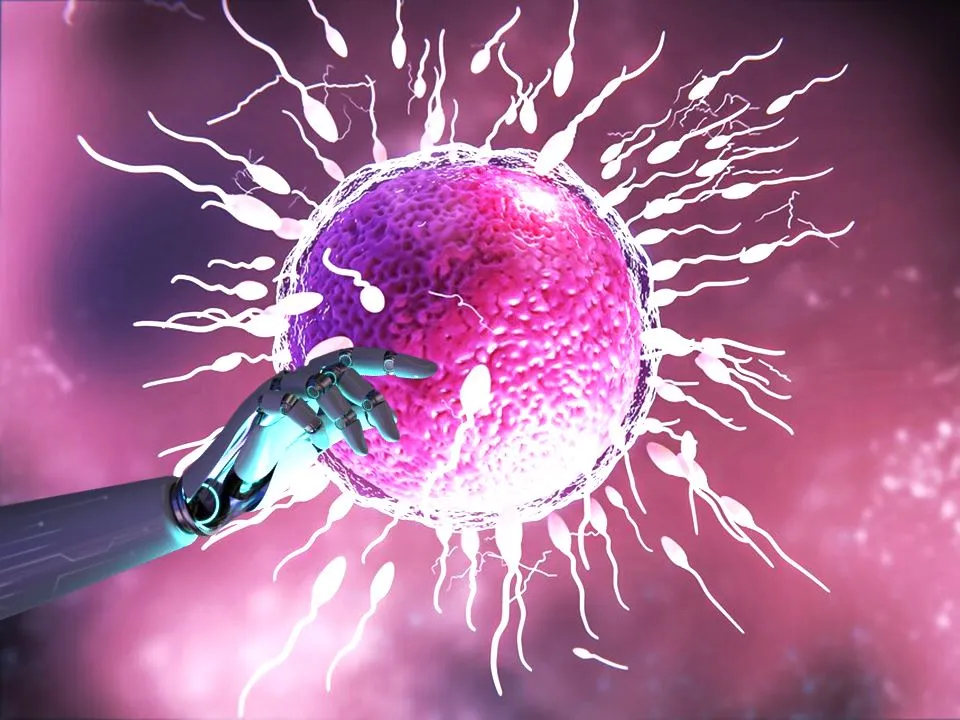
By 2035, the world of fertility and assisted reproduction will look radically different. With breakthroughs in AI in IVF, in vitro gametogenesis, artificial womb technology, and reproductive biotechnology, we are on the brink of a revolution that will redefine how people build families. For fertility clinics, embryologists, and healthcare leaders, the next decade offers unprecedented opportunities—and responsibilities.
At Meddilink, we envision a future where technology doesn’t just support fertility—it personalizes it, protects it, and empowers it.
AI in IVF: Hyper-Personalized Fertility Treatment
Artificial Intelligence is already playing a growing role in fertility, but by 2035, AI in IVF will become the standard across every phase of treatment. From predicting optimal egg retrieval windows to selecting the best embryo for implantation, AI systems will operate with unmatched precision.
In IVF labs of the future, AI models will process thousands of patient variables—age, hormone levels, lifestyle factors, and genetics—to recommend fully customized treatment plans. Advanced algorithms will analyze embryo images in real-time, scoring them not just by morphology but by predicted implantation and developmental potential.
Key possibilities by 2035:
- Predictive AI tools for live birth likelihood
- Real-time optimization of ovarian stimulation
- AI-powered emotional support assistants for patients
- Automated embryo grading and selection
By harnessing the full potential of AI in IVF, clinics will improve success rates, reduce costs, and ensure more informed, less stressful patient experiences.
In Vitro Gametogenesis: Rewriting What’s Possible
One of the most groundbreaking technologies on the horizon is in vitro gametogenesis (IVG). This process involves creating egg or sperm cells from a person’s skin or blood cells using induced pluripotent stem cells (iPSCs).
Imagine a world where individuals with no viable gametes—due to age, cancer treatments, or genetic conditions—can still have biological children. Even same-sex couples could generate both sperm and egg cells from their own tissues, opening doors to truly inclusive family-building.
While still in early research phases, IVG holds promise for:
- Fertility preservation in cancer patients
- Delayed childbearing without egg freezing
- Same-sex biological parenthood
- Fertility for individuals with genetic infertility
As reproductive biotechnology continues to evolve, in vitro gametogenesis may soon become a viable option in IVF clinics, offering new hope to millions.
Artificial Womb Technology: The New Frontier
Artificial womb technology is another bold frontier in reproductive medicine. While human gestation outside the body remains experimental, animal trials using biobags and bioengineered wombs have shown promising results. By 2035, partial or full ectogenesis—developing embryos in an artificial environment—may become a critical tool in high-risk pregnancies or early-stage neonatal care.
For IVF, this could mean:
- Safer gestation for preterm babies
- Reduced complications for high-risk mothers
- Controlled environments to study early development
- A paradigm shift in reproductive autonomy
As ethical and regulatory frameworks evolve, artificial womb technology could play a key role in expanding reproductive options while protecting maternal health.
The Rise of Reproductive Biotechnology
Beyond AI and gametogenesis, the broader field of reproductive biotechnology is rapidly expanding. Innovations in genomics, CRISPR-based editing, proteomics, and nano-delivery systems will enable clinicians to assess and treat fertility at the cellular and molecular levels.
By 2035, expect the following advancements:
- Preimplantation genetic optimization**:** Beyond screening for diseases, AI + CRISPR could help repair genetic mutations before implantation.
- Lab-on-a-chip diagnostics**:** Real-time hormone and fertility status tracking via wearable or microfluidic devices.
- Sperm and egg rejuvenation**:** Using mitochondrial therapy or gene repair to restore fertility potential in older patients.
- Blockchain-based reproductive data ownership**:** Giving patients full control over their fertility data, wherever they seek treatment.
These next-gen tools will make IVF not only more effective but also more ethical, transparent, and patient-centric.
What This Means for Fertility Clinics and Innovators
The fertility clinic of 2035 will not be defined by procedures—it will be defined by platforms, data, and personalization. AI-driven systems will coordinate care across devices, clinics, and borders. Genetic insights and digital twins will simulate treatment outcomes before a single injection. Clinicians will shift from decision-makers to collaborators with technology.
To stay ahead, IVF centers must begin integrating AI, adopting secure data platforms, and preparing for new biotechnologies. Meddilink is already building the digital infrastructure for this future—empowering clinics with intelligent solutions for patient care, lab automation, and beyond.
Final Thoughts
As we look ahead to 2035, the fusion of AI in IVF, in vitro gametogenesis, artificial womb technology, and reproductive biotechnology promises a future where fertility is more inclusive, intelligent, and individualized.
These technologies aren’t just about pushing the boundaries of science—they’re about giving people more choices, better care, and renewed hope.
At Meddilink, we’re committed to helping IVF clinics navigate this transformation—today and in the future.

Topics